
Primary healthcare is the part of the health system most people should meet first. It is the care you get close to where you live, before things become complicated. In South Africa, that usually means your local clinic, community health centre, mobile clinic, or a GP in your area.
- So what exactly is primary healthcare?
- What primary healthcare looks like in real life
- Why primary healthcare matters more than most people realise
- Primary healthcare and the bigger goal: universal health coverage
- How primary healthcare is organised in South Africa
- Where to go first, and why referrals exist
- What you can do to get more value from primary healthcare
It is easy to think healthcare only starts when you are very sick. But primary healthcare is more like the foundation of a house. When it is strong, the rest of the system works better. When it is weak, hospitals overflow, ambulances get tied up, and families end up paying more in time, money, and stress.
Primary healthcare is also not just “basic care”. The World Health Organization describes it as care that covers most of a person’s health needs across their lifetime, from prevention and treatment to rehabilitation and palliative care, delivered as close as possible to everyday life.
So what exactly is primary healthcare?
Primary healthcare is your first level of contact with the health system. It is where common problems are assessed, treated, and followed up. It is also where long-term conditions are monitored so they do not quietly get worse.
It includes clinical services, like seeing a nurse or doctor, but it also includes the things that keep people healthy in the first place. Clean water, sanitation, health education, and community support all sit in the same picture. That “whole of society” idea is part of modern PHC thinking.
If you want a simple definition, here it is: Primary healthcare is the everyday care that helps you stay well, catches problems early, and guides you through the system when you need more help.
What primary healthcare looks like in real life
In a South African context, primary healthcare is not one building. It is a network. You might use a clinic for one thing, a community health centre for another, and a hospital only when you truly need it.
Primary healthcare typically covers:
- Treatment for common illnesses (coughs, flu-like symptoms, stomach bugs, minor infections)
- Maternal and child services (antenatal visits, immunisations, growth monitoring)
- Sexual and reproductive health services (family planning, STI services)
- Chronic care (blood pressure, diabetes, asthma care plans, repeat scripts)
- TB and HIV services (testing, follow-up, routine monitoring where offered)
- Health promotion and prevention (screening, lifestyle support, health education)
- Referral to higher levels of care when needed
It is also meant to be continuous. That means it should not be a once-off visit. It is a relationship over time, even if it is with a team rather than one person.
Why primary healthcare matters more than most people realise
Primary healthcare matters because it shifts healthcare from “firefighting” to “maintenance”. It helps you deal with problems early, before they become emergencies. When primary healthcare works well, you see fewer avoidable hospital visits. You also see better control of chronic conditions, fewer complications, and more people getting support in their own communities. WHO points out that PHC-oriented systems are linked to better outcomes, more equity, and improved efficiency.
It also matters for fairness. In a country like South Africa, where access and income differ massively, primary healthcare is one of the strongest tools for narrowing gaps. If your closest clinic is functional and welcoming, your chances improve, even before you get to any specialist service. In EMS we often see the cost of missed primary care. A person skips follow-ups because transport is hard, then ends up in crisis. That is not a character flaw. It is a system problem. Primary healthcare is where systems can protect people earlier.
Primary healthcare and the bigger goal: universal health coverage
You will often hear the phrase “universal health coverage” (UHC). It means everyone should be able to get the health services they need, when and where they need them, without financial hardship. Primary healthcare is a key pathway to UHC because it is the level of care most people use most often. If you try to build UHC mainly on hospitals, it becomes expensive, crowded, and hard to sustain. Strong primary care spreads the load and keeps people healthier. This is also why primary healthcare is regularly described as the cornerstone of health reform globally.
How primary healthcare is organised in South Africa
South Africa’s public health system is structured in levels. Primary healthcare sits at the base, then district hospitals, then regional and tertiary hospitals for specialist and complex care. Over the past years, South Africa has also spoken about “PHC re-engineering”, which focuses on strengthening care outside hospitals through specific streams like ward-based outreach teams, school health services, and district clinical specialist teams.
Ward-based primary healthcare outreach teams are an important part of this approach. They are designed to extend care into communities, not only wait for people to arrive at facilities. You may not always see these programmes working perfectly in every area. That is the honest reality. But the direction is clear: a strong system cannot rely only on hospitals.
Where to go first, and why referrals exist
A common public question is, “Why can’t I just go straight to the hospital?”
You can, especially in an emergency. But for most non-emergency issues, starting at primary care is usually faster and more appropriate. Clinics can treat many conditions, and they can refer you when hospital care is needed.
A referral letter also helps continuity. It tells the next facility what was assessed, what was done, and what is being requested. That reduces repetition and can make decision-making safer, especially when services are busy.
If you feel like you are being “sent around”, it helps to ask two clear questions:
- What is the plan from here?
- What should make me come back urgently, and where?
Those questions often bring calm back into the room.
What you can do to get more value from primary healthcare
Primary healthcare works best when you arrive prepared and communicate clearly. You do not need to know medical words. You just need a simple story.
Try this pattern:
- What is the main problem?
- When did it start?
- Is it getting better, worse, or staying the same?
- What medicines are you taking?
- What chronic conditions do you have?
If you manage care for a child or an older relative, keep a small note on your phone with key info: ID number, clinic folder number, medicines, allergies, and emergency contacts. It sounds small, but it saves time.
Public primary healthcare in South Africa carries a heavy load. Waiting times, staff shortages, and uneven resources are real issues. But primary care is still the most practical entry point for most health needs, and it remains central to the country’s long-term goals, including the move toward universal health coverage through NHI. The official National Department of Health NHI information frames NHI as a strategy toward universal health coverage, which in practice depends heavily on a strong primary healthcare platform.
Primary healthcare is the care closest to everyday life. It helps you stay well, catches problems early, manages long-term conditions, and connects you to hospitals when you truly need them. If you remember only one thing, let it be this: hospitals save lives in crises, but primary healthcare prevents many crises from happening in the first place.
Author

ndleleninp@gmail.com
Related posts
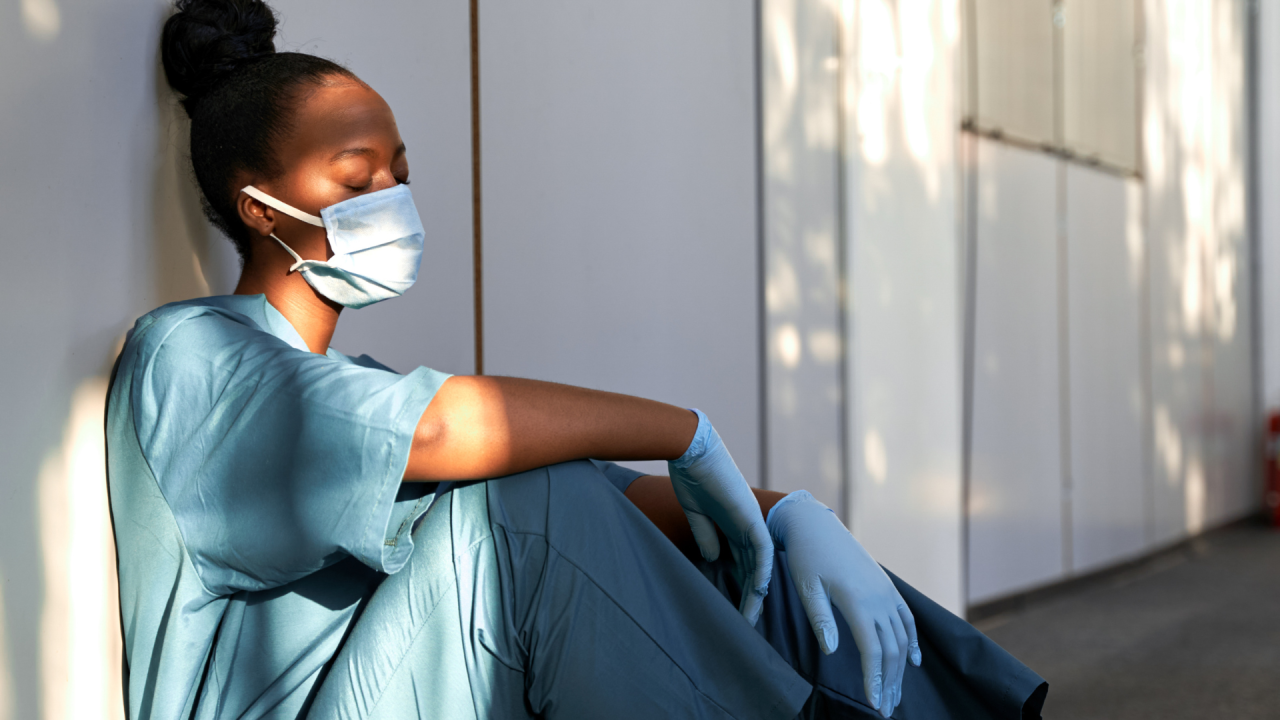
Nurturing the Caregivers: Ethical Support for Emergency Healthcare Workers Dealing with Post-Traumatic Stress
In the fast-paced and high-stress world of emergency healthcare, the frontline heroes often find themselves facing more than just medical challenges. Emergency...
Read out all
11 Public Health Myths That Spread Fast (and What’s Actually True)
Public health myths travel quickly in South Africa, especially in WhatsApp family groups. They often arrive as a voice note, a screenshot,...
Read out all
Best health apps for reminders and appointments in South Africa
Medical disclaimer: This article is general information, not medical advice. For personal guidance, consult a qualified healthcare professional.Emergency note: If symptoms are...
Read out all
Clinic vs Hospital in South Africa: Where to Go First
Medical disclaimer: This article is general information, not medical advice. For personal guidance, consult a qualified healthcare professional.Emergency note: If symptoms are...
Read out all