
In the fast-paced and high-stress world of emergency healthcare, the frontline heroes often find themselves facing more than just medical challenges. Emergency healthcare workers, from paramedics to emergency room staff, are frequently exposed to traumatic events that can leave lasting emotional scars. Post-Traumatic Stress (PTS) is a silent but significant adversary that many of these dedicated professionals battle. In this blog post, we explore the importance of ethical support for emergency healthcare workers grappling with PTS.
The Unseen Struggle:
In the relentless pursuit of saving lives, emergency healthcare workers emerge as the unsung heroes of our society, navigating through the unpredictable terrain of crises and delivering critical care under the weight of immense pressure. While their unwavering commitment to their noble mission is commendable, the toll it exacts on their mental well-being is both intricate and profound. These dedicated professionals frequently find themselves on the front lines, bearing witness to traumatic events and grappling with life-and-death situations.
The perpetual expectation to perform at their best further exacerbates the challenges they face. In this high-stakes environment, the insidious specter of Post-Traumatic Stress (PTS) looms, casting a shadow that extends beyond the confines of their workplace and seeps into the fabric of their overall quality of life. Recognising and addressing this unseen struggle is imperative for fostering a healthcare ecosystem that not only acknowledges the sacrifices of its heroes but actively works towards safeguarding their mental well-being.
Ethical Support: A Pillar of Resilience:
In addressing Post-Traumatic Stress (PTS) among emergency healthcare workers, a comprehensive and multifaceted approach becomes imperative. At the heart of this strategy lies ethical support, a foundational element that encompasses a spectrum of policies, practices, and resources meticulously designed to cultivate a work environment that not only recognises but actively addresses the unique challenges faced by these dedicated professionals. Ethical support goes beyond mere acknowledgment; it serves as the backbone for fostering a workplace culture that prioritises the mental well-being of emergency healthcare workers, providing them with the tools and resources needed to navigate the demanding terrain they encounter in their daily commitment to saving lives.
Education and Training:
In the realm of emergency healthcare, the empowerment of frontline warriors begins with a strategic emphasis on comprehensive education and training programs. Employers play a pivotal role in prioritising initiatives that equip healthcare workers with the essential tools not only to perform their duties but also to recognise and effectively manage stress. These programs delve into the intricacies of stress management, offering valuable insights into identifying the subtle signs of Post-Traumatic Stress (PTS).
Beyond awareness, healthcare professionals are provided with a repertoire of coping mechanisms, equipping them with the resilience needed to navigate the emotionally charged scenarios they encounter. Importantly, these educational endeavors extend to outlining clear avenues for seeking help, ensuring that healthcare workers are not only well-informed but also supported in their journey toward mental well-being. In investing in the education and training of these frontline heroes, we not only enhance their capacity to deliver exceptional care but also fortify their resilience in the face of the unseen challenges that accompany their noble
Cultivating a Culture of Open Communication:
At the heart of a resilient healthcare community lies the cultivation of an open and non-judgmental culture—an environment where healthcare workers feel empowered to share their experiences without fear or hesitation. Paramount to this endeavor is the establishment of channels that encourage candid communication. By fostering a space where dialogue flows freely, healthcare professionals can navigate the complexities of their roles with greater ease. In this culture of openness, the emphasis extends beyond individual experiences to collective support. Encouraging peer support becomes a cornerstone, creating a network of understanding and empathy among colleagues. Regular debriefing sessions further contribute to this sense of solidarity, providing a structured platform for reflection and discussion.
Importantly, such initiatives serve to dismantle the stigma often associated with seeking help for mental well-being. By nurturing a culture where communication is not only valued but actively promoted, we lay the foundation for a resilient healthcare workforce—one that draws strength from shared experiences and mutual support.
Access to Mental Health Resources:

In the journey towards holistic well-being for emergency healthcare workers, healthcare organisations bear the responsibility of ensuring that mental health resources are not just a theoretical concept but a tangible and easily accessible reality. This commitment extends to the provision of comprehensive mental health services, including counseling, support groups, and confidential avenues for seeking professional help. By embedding these resources within the fabric of the workplace, organisations create a safety net for their dedicated staff, offering a refuge for those grappling with the emotional toll of their roles.
The normalisation of mental health check-ins emerges as a key strategy in fostering a healthier work environment. Just as routine physical check-ups are integral to maintaining physical well-being, regular mental health check-ins become a normalised aspect of the healthcare professionals’ routine. This cultural shift not only promotes proactive mental health care but also dismantles any lingering stigma, reinforcing the message that seeking support is a sign of strength rather than vulnerability.
In essence, the provision and accessibility of mental health resources form the cornerstone of an organization’s commitment to the holistic health of its workforce. By actively fostering an environment where support is not only available but actively encouraged, we contribute to the creation of a workplace that recognises and addresses the unique challenges faced by emergency healthcare workers, ensuring they have the tools needed to navigate the emotional terrain of their noble profession.
Flexible Scheduling and Workload Management:
Acknowledging the profound impact of prolonged stress on the mental health of emergency healthcare workers, employers must prioritise the implementation of flexible scheduling and workload management strategies. These measures act as vital safeguards, empowering healthcare professionals to strike a balance between their demanding roles and personal well-being. By affording flexibility in scheduling and managing workloads, organisations not only enhance the work-life balance of their dedicated staff but also proactively mitigate the risk of burnout. In essence, these practical adjustments contribute to a healthier and more sustainable work environment, ensuring that those on the front lines of healthcare can continue their invaluable work with resilience and vitality.
Regular Ethical Reviews:
Periodic ethical reviews serve as a proactive mechanism to identify and address systemic issues contributing to stress and trauma within the healthcare workplace. This essential process involves a comprehensive evaluation of existing policies, procedures, and organisational culture. By scrutinising these elements, organisations can ensure alignment with ethical standards and, more importantly, prioritise the well-being of their healthcare workers. These reviews act as a compass, guiding the organisation towards fostering a culture that not only meets ethical benchmarks but actively nurtures the resilience and mental health of those dedicated to the noble mission of emergency healthcare.

Emergency healthcare workers dedicate their lives to saving others, but it’s essential to remember that they, too, are susceptible to the emotional toll of their noble profession. By prioritising ethical support, we can create a healthcare environment that not only addresses the aftermath of traumatic events but also actively works to prevent and mitigate the impact of PTS. In doing so, we honor the dedication of these unsung heroes and foster a culture of compassion, resilience, and well-being in the demanding world of emergency healthcare.
2 comments
Leave a Reply to Ntombizandile Cancel reply
Author

ndleleninp@gmail.com
Related posts

What Is Primary Healthcare and Why It Matter?
Primary healthcare is the part of the health system most people should meet first. It is the care you get close to...
Read out all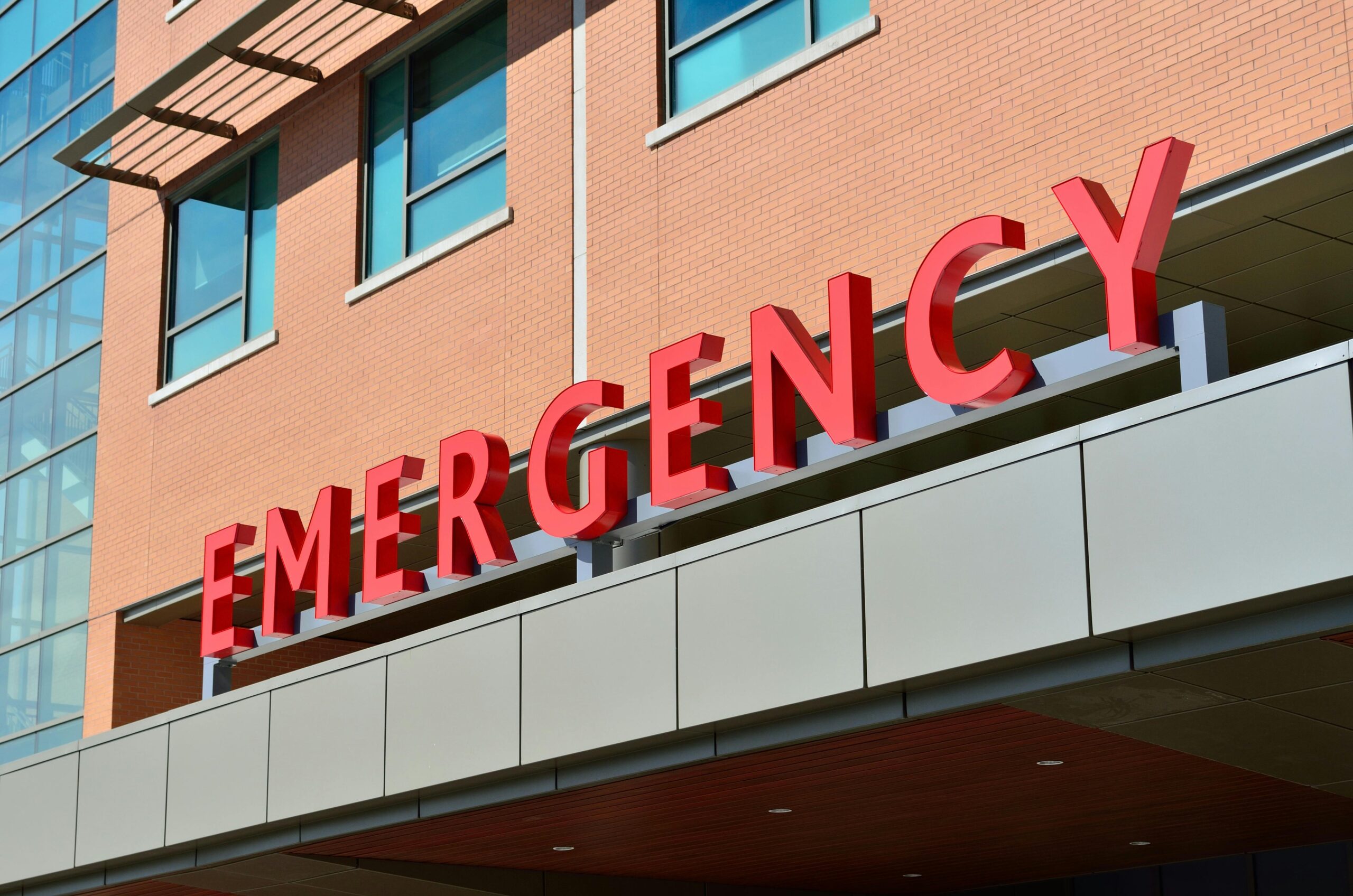
11 Public Health Myths That Spread Fast (and What’s Actually True)
Public health myths travel quickly in South Africa, especially in WhatsApp family groups. They often arrive as a voice note, a screenshot,...
Read out all
Clinic vs Hospital in South Africa: Where to Go First
Medical disclaimer: This article is general information, not medical advice. For personal guidance, consult a qualified healthcare professional.Emergency note: If symptoms are...
Read out all
Very nice article.iam also a healthcare provider ,I know how working and dealing with truma affects on health workers
Hey Nighat, thank you for the visit. I hope you are taking care of yourself. Thank you for what you do on a daily basis.